How Do You Make Thin Hair Look Rich Without Extensions?

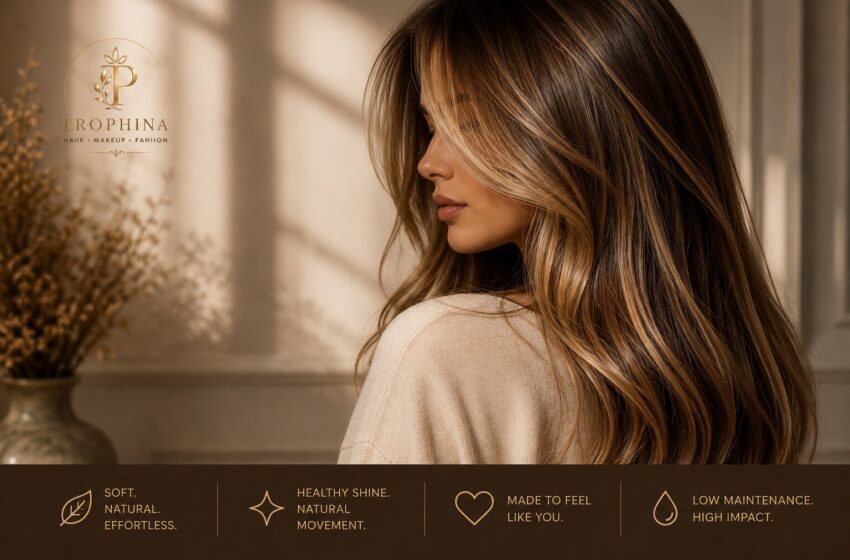
Quiet luxury hair is redefining what expensive hair looks like in 2026.
There was a time when every beauty trend seemed obsessed with more.
More volume.
More length.
More layers.
More hair.
But lately, the women whose hair looks the most expensive are doing something completely different.
Their hair is softer now. Less forced. Less “done”. It moves naturally in daylight. It falls imperfectly around the face. Nothing looks stiff or overloaded with product.
And strangely enough, many of them do not even have thick hair.
Which explains why one beauty question has quietly started appearing everywhere lately:
How do you make thin hair look rich without extensions?
The answer is not adding more hair.
It is understanding what actually makes hair look luxurious in the first place.
Expensive Hair Rarely Looks Heavy
One of the biggest misconceptions about thin hair is the idea that fullness automatically equals beauty.
It does not.
In fact, overly thick styling can sometimes make fine hair look more fragile. Heavy curls separate too quickly. Thick extensions create obvious contrast near the ends. Excess texture spray leaves everything dry and cloudy-looking by evening.
Luxury hair tends to feel lighter than people expect.
That is part of why French and Scandinavian beauty aesthetics have become so influential recently. Hair no longer looks aggressively styled. It looks lived in — but still beautiful.
The difference is subtle, but immediately visible.
Thin Hair Actually Reflects Light Beautifully
This is something good stylists understand almost instinctively.
Fine hair catches light differently.
When it is healthy, softly shaped and properly coloured, it creates a reflective finish that thicker hair sometimes loses under too much density.
That reflective quality is what gives hair that expensive-looking softness people often notice without understanding why.
Which is also why colour matters so much now.
Harsh contrast balayage is slowly disappearing. Cooler ash tones are fading too. The shades replacing them are softer, quieter and more diffused:
- milk tea brunette
- beige mocha
- suede blonde
- soft espresso
- muted caramel
Nothing looks overly highlighted anymore.
The colour simply melts into the hair.
And somehow, that restraint makes everything feel more luxurious.
The Ends Matter More Than Volume
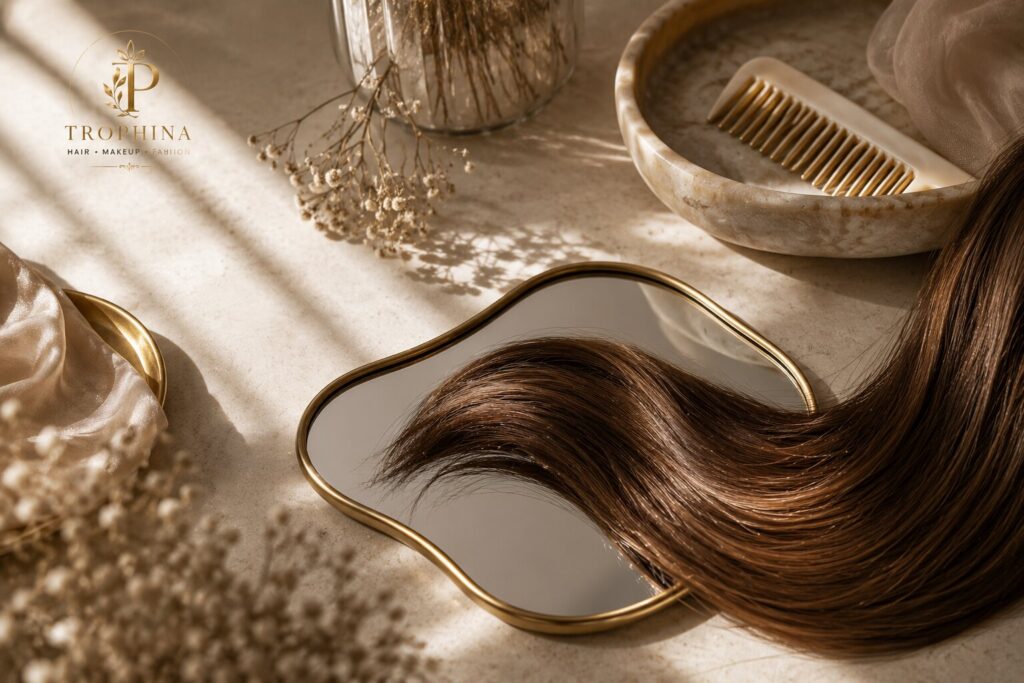
One thing almost every expensive haircut has in common is controlled ends.
Not dramatic layers.
Not oversized curls.
Not excessive shaping.
Just healthy-looking movement.
Thin hair instantly looks more elevated when the perimeter feels clean and intentional. That is why stylists have moved toward softer internal shaping instead of visible layering.
The hair still moves.
It just does not collapse into uneven pieces halfway through the day.
This is also why “air-dried luxury hair” is becoming such a huge aesthetic online. People are tired of hair that only looks good for twenty minutes after styling.
They want hair that still looks beautiful when slightly undone.
Perfect Hair Is Starting to Look Dated
Interestingly, the polished Instagram hair of the late 2010s now feels strangely old-fashioned.
The ultra-curled ends.
The stiff waves.
The dramatic extension blend.
Everything looked a little too aware of itself.
Now, the hair people save on Pinterest usually contains softness somewhere:
- relaxed bends
- natural separation
- quieter silhouettes
- pieces falling out near the temples
- texture that moves when someone turns their head
The overall feeling is less “salon reveal”.
More expensive woman walking through a hotel lobby at midnight.
That mood matters more than volume ever did.
So What Actually Makes Thin Hair Look Rich?
Usually, it comes down to a few simple things:
- reflective colour
- softness at the ends
- healthy shine
- movement
- restraint
Not perfection.
And definitely not trying to imitate naturally thick hair.
Because the women whose hair looks the most luxurious right now are not chasing bigger hair anymore.
They are chasing softer hair.
And somehow, that makes all the difference.