
Clouded Blush Draping: The Beauty Trend That Feels Like a Memory

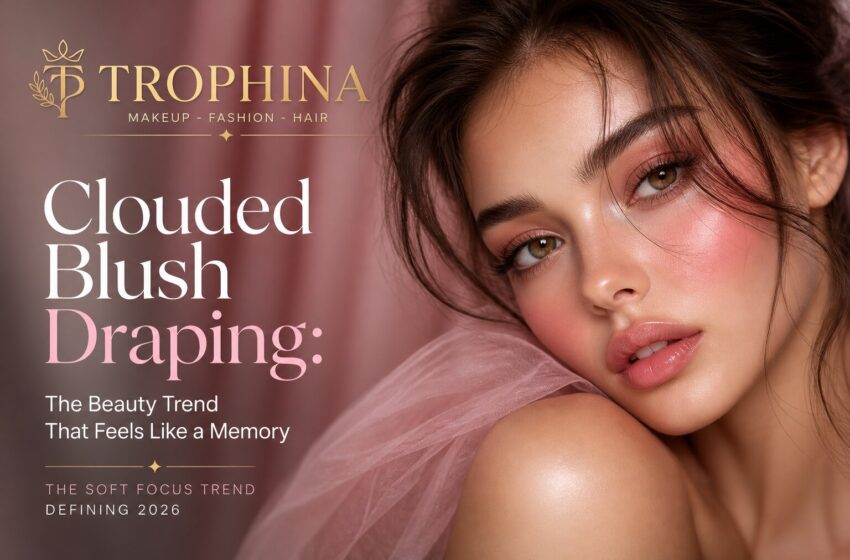
A soft-focus clouded blush draping look featuring diffused colour, glowing skin, and the natural beauty aesthetic defining 2026.
There’s a certain kind of makeup that doesn’t announce itself.
You don’t notice it straight away. It doesn’t look sculpted, or precise, or even particularly “done”. And yet, something about it lingers — softening the face, catching the light in a way that feels almost accidental.
Lately, that’s exactly where beauty seems to be heading.
They’re calling it clouded blush draping. A name that sounds slightly poetic — but once you see it, it makes perfect sense.
What Is Clouded Blush Draping?
At its core, clouded blush draping is less about technique and more about how colour sits on the skin.
Blush isn’t placed in a defined area anymore. It’s allowed to move — drifting slightly higher across the cheekbones, sometimes reaching towards the temples, sometimes fading before it gets there. There’s no obvious starting point, no sharp edges.
It doesn’t look applied. It looks like it settled there.
The finish is soft, diffused, almost hazy. Like the edges have been gently blurred without losing the presence of colour itself.
Why This Trend Feels So Right in 2026
For years, makeup leaned heavily into precision. Contour was sharp. Skin was polished to perfection. Everything had structure.
Now, that structure is loosening.
There’s a quiet shift happening — one that favours movement over control. Skin looks like skin again. Pigments are sheerer. Nothing feels overly fixed in place.
Clouded blush draping fits perfectly into that shift. It doesn’t try to reshape the face. It works with it.
And maybe that’s why it resonates. It feels less constructed, more lived-in.
This look perfectly captures the essence of clouded blush draping — soft, diffused, and naturally radiant.

How to Do Clouded Blush Draping (Without Overthinking It)
There’s no strict formula here, which is part of the appeal.
Start with a cream or liquid blush — something that melts easily into the skin. Using your fingers or a soft brush, apply a small amount slightly higher than you normally would, closer to the cheekbones.
From there, blend — but gently.
The goal isn’t to erase the edges completely. It’s to soften them. The colour should still be visible, just diffused enough that it feels like part of your skin rather than something sitting on top of it.
If you’re unsure, stop earlier than you think you need to. This look works best when it feels light.
Common Mistakes to Avoid
It’s easy to overdo this trend without realising.
Applying too much product too quickly can make the blush look heavy instead of soft. The same goes for over-blending — if the colour disappears entirely, you lose the effect.
Another common mistake is trying to make both sides perfectly symmetrical. This look doesn’t rely on precision. Slight differences actually make it feel more natural.
Who It Suits Best
One of the reasons this trend has taken off so quickly is because it doesn’t depend on face shape or strict placement rules.
It works on minimal makeup days, where it adds just a hint of warmth. It works layered into more expressive looks, where it becomes part of something slightly more artistic.
It sits well on real skin — with texture, with freckles, with movement.
There’s nothing rigid about it.
Best Products for Clouded Blush Draping
The finish of this look depends heavily on texture.
Cream and liquid blushes tend to work best because they blend seamlessly into the skin and allow that soft, diffused effect to happen naturally.
Look for formulas that are buildable rather than overly pigmented. A sheer wash of colour is far more effective here than anything too intense.
Soft pinks, muted corals and dusty rose tones tend to create the most natural result — shades that look like they could belong to the skin rather than sit on top of it.
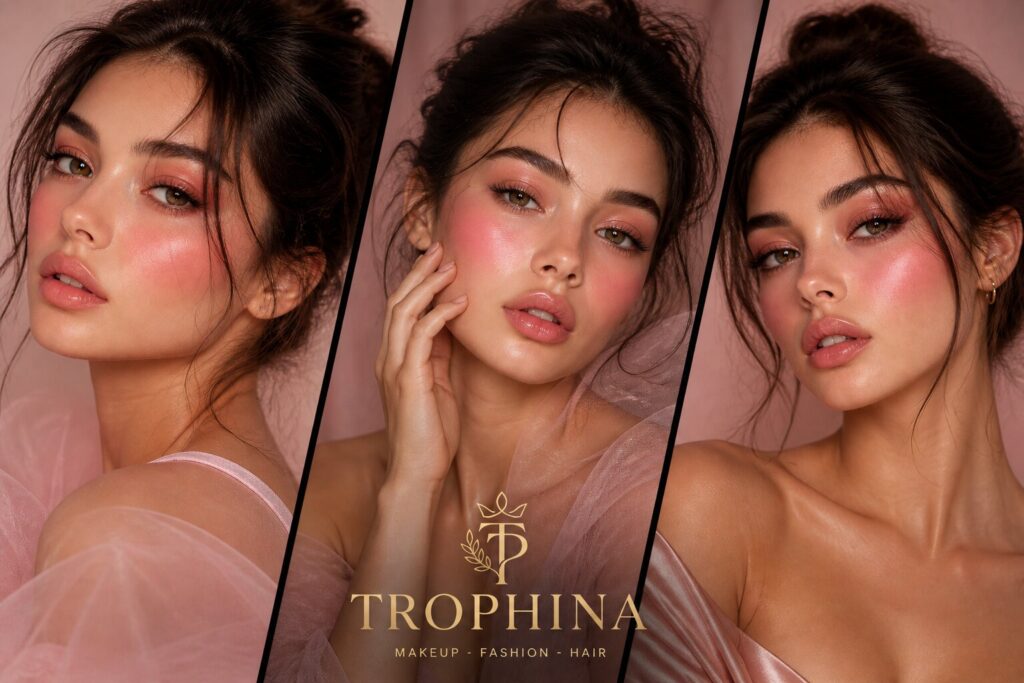
The beauty of clouded blush draping lies in its versatility — no two looks feel exactly the same.
Why It Works So Well Right Now
There’s something refreshing about makeup that doesn’t try too hard.
After years of defined lines and structured techniques, this softer approach feels more relaxed. More personal. Less uniform.
Clouded blush draping doesn’t aim for perfection — and that’s exactly why it stands out.
It allows for small inconsistencies. It moves with the face. It changes slightly throughout the day.
And instead of looking messy, it looks real.
Related Looks You Might Like
If you’re drawn to this softer aesthetic, you’ll probably find yourself leaning towards other diffused makeup trends too — the kind that focus more on atmosphere than structure.
Blurred eye looks, barely-there base makeup, soft matte skin — they all sit within the same space.
Nothing overly defined. Nothing forced.
And That’s The Whole Point
Not everything needs to be sharp to be beautiful.
Sometimes, the looks that stay with you are the ones that feel slightly undone — the ones that don’t look like they’ve been overworked or overthought.
Clouded blush draping isn’t about getting it exactly right.
It’s about letting it sit somewhere in between — soft, imperfect, and all the better for it.
FAQ: Clouded Blush Draping
What is clouded blush draping?
It’s a soft-focus blush technique where colour is diffused across the cheeks and temples without sharp edges or defined placement.
Is this look suitable for beginners?
Yes — in fact, it’s easier than traditional blush techniques because it doesn’t require precision.
What type of blush works best?
Cream and liquid formulas are ideal, as they blend seamlessly and create a natural finish.
How is it different from contouring?
Contouring shapes and defines the face, while clouded blush draping softens and enhances it without structure.
If you find yourself drawn to this softer, more undone side of beauty, you’ll feel right at home exploring more.
At Trophina, we focus on modern makeup, hair and fashion through a more considered lens — the kind of inspiration that feels wearable, current, and quietly distinctive.
→ Explore the latest at https://trophina.com/